
Wood Rot: What It Means and How to Fix It Right
A soft spot at the bottom of a door frame or a peeling section of exterior trim may look like a small paint problem. Often, it is wood rot - and the visible damage is only part of the story. Rot does not start because paint failed. Paint fails because moisture has already found a way into the wood, and the repair needs to address that path before new material goes in.
On homes around Slidell and the Northshore, heat, humidity, heavy rain, and long damp periods give moisture plenty of opportunities to work into exterior wood. The good news is that rot is usually repairable when it is found early and approached the right way. The key is not simply replacing what looks bad. It is figuring out why that piece of wood stayed wet in the first place.
What Wood Rot Really Is
Wood rot is decay caused by fungi that feed on damp wood. The fungi need moisture, oxygen, and wood fibers to grow. Remove the ongoing moisture, and the conditions that allow rot to continue are greatly reduced.
That is why a patch over damaged wood is rarely a lasting repair. The surface may look better for a while, but if water is still running behind a board, collecting at a joint, or soaking the end grain of a post, the new work can fail right along with the old work.
Rot is commonly described as either brown rot or white rot. Brown rot tends to leave wood dark, dry-looking, and crumbly or cracked into block-like pieces. White rot often leaves wood lighter in color and stringy or spongy. A homeowner does not need to identify the exact type to know there is a problem. If a screwdriver sinks into a painted board with little pressure, the wood has likely lost its strength.
Not every soft board means the framing behind it is damaged. Sometimes the problem is limited to a piece of trim, a section of fascia, or one deck board. Other times, the damaged trim is the first clue that water has reached sheathing, framing, or a structural connection. That difference matters when planning the repair.
Common Places Wood Rot Starts
Wood is most vulnerable where rainwater can sit, drain poorly, or get trapped against a surface. Exterior details that look minor often determine whether the assembly dries out after a storm.
Door and window trim are common trouble spots, especially at the bottom corners. Caulk joints open over time, paint wears thin, and water gets behind the trim. If there is no proper flashing or the sill does not shed water outward, moisture can work into the wall around the opening.
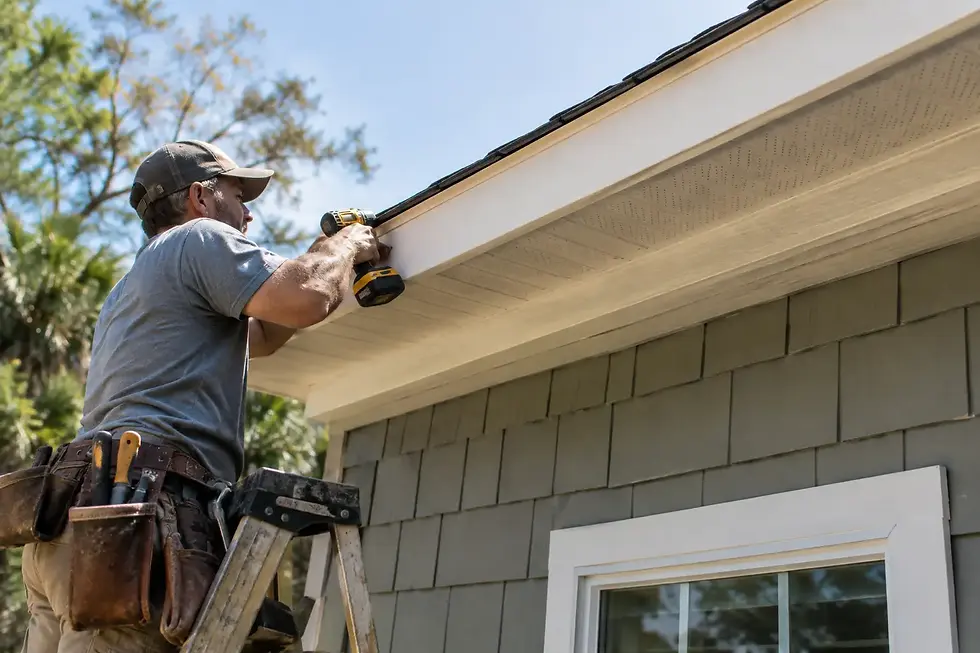
Fascia boards and soffit areas can rot when gutters overflow, pull away from the house, or leak at a seam. A gutter problem can keep the same section of wood wet every time it rains. By the time the fascia is visibly swollen or soft, it is worth checking the roof edge and the framing behind it.
Decks, porch posts, handrails, and stairs need close attention because they live outdoors year-round. Post bottoms are especially vulnerable when they sit directly on concrete, soil, or a surface that holds water. The end grain of a board absorbs moisture much faster than its face, so exposed cuts and poorly protected bottoms often fail first.
Siding corners, chimney trim, rake boards, and areas where roofs meet walls also deserve a close look. These locations depend on proper flashing and drainage. Caulk is useful as a secondary weather seal, but it is not a substitute for flashing that directs water out and away.
Signs You May Have a Rot Problem
Peeling paint, swollen trim, dark staining, cracked caulk, and small holes near the bottom of exterior boards are all reasons to investigate. So is a board that feels soft when pressed or gives way when lightly probed.
Inside the house, watch for staining around windows and doors, a musty odor, damp drywall, or trim that is separating from the wall. Those signs do not automatically mean there is active decay, but they do mean moisture has to be taken seriously.
One thing I tell homeowners is not to judge the problem only by what they can see. Rot often travels behind a painted surface while the face of the board still looks reasonably solid. Conversely, a badly weathered trim board may look rough but have no meaningful damage behind it. The right repair starts with opening up only enough material to understand the condition of the surrounding wood.
A Proper Wood Rot Repair Starts With Water Control
The repair sequence matters. First, identify where water is coming from. That may be a failed caulk joint, a missing or damaged flashing detail, roof runoff, a leaking gutter, poor clearance between wood and grade, or a design detail that traps water.
Next, remove all unsound material. Leaving soft or decayed wood behind to save a few inches of board usually creates a weak starting point for the new repair. The goal is to get back to solid wood and inspect the area behind the finished surface.
If framing or sheathing is affected, the repair may need to go beyond replacing trim. Damaged structural members should be evaluated carefully so the replacement work ties back into solid material and restores support where it is needed. This is where a small-looking exterior repair can become more involved, and it is better to know that upfront than hide it behind fresh paint.
Once the area is dry and sound, the assembly should be rebuilt so it can shed water. That may mean adding or correcting flashing, using proper gaps and clearances, sealing vulnerable end cuts, or changing the way two materials meet. The things you do not see are often what determine how long the finished project lasts.
Only after those details are handled should new trim, siding, decking, or finish material be installed. Caulk, primer, and paint are part of the system, but they are the last line of defense, not the whole defense.
Material Choices Matter, but Details Matter More
There is no one material that solves every rot problem. Solid wood can be an excellent choice when it is installed with proper drainage, primed on all sides where appropriate, and maintained. It also allows for repairs that match older homes well.
Engineered exterior trim, PVC trim, and composite materials can make sense in locations that repeatedly see moisture. PVC does not rot, for example, but it still needs correct fastening, expansion gaps, and water management behind it. Installing a rot-resistant board over a leaking condition only changes which part of the assembly gets damaged next.
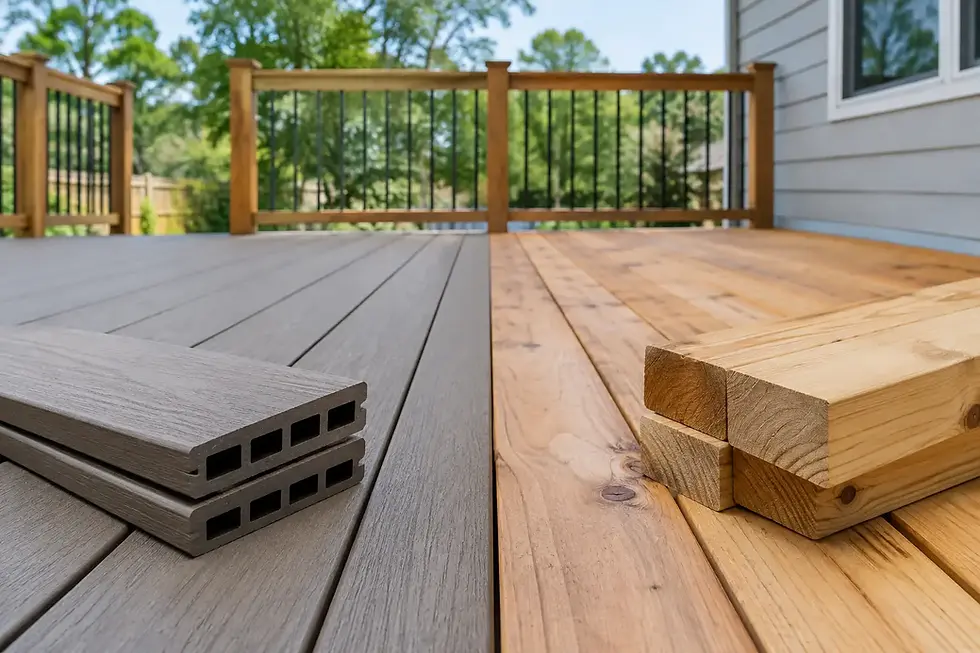
For decks and exterior framing, pressure-treated lumber is often appropriate where wood is exposed to weather or near ground contact. Even then, cut ends, fasteners, post connections, and drainage all matter. A treated board can last a long time, but it cannot overcome standing water or a connection that holds moisture against the wood.
The best choice depends on the location, the existing construction, the look of the home, and the cause of the original failure. A good repair is not about using the most expensive material everywhere. It is about using the right material and building the detail so it can dry.
When a Small Repair Should Become a Larger One
It is reasonable to hope a damaged board is isolated. Sometimes it is. But there are situations where replacing one piece without opening the area further is not responsible work.
If rot is found around a door or window opening, at a deck ledger, at the base of a porch post, or near roof framing, the surrounding components need a closer look. Those areas affect weather protection or structural support. The scope may grow if hidden damage is found, but that is not a reason to ignore it. It is a reason to explain the condition clearly and make a repair plan based on what is actually there.
A careful contractor should be able to show you what is damaged, explain what caused it, and separate what must be repaired now from work that can reasonably wait. That kind of communication helps homeowners make informed decisions without pretending that every soft board requires a major rebuild.
How to Help Prevent Rot From Coming Back
Most prevention comes down to keeping water moving and allowing wood to dry. Keep gutters clean and securely fastened. Make sure downspouts carry water away from the house instead of dumping it beside trim, posts, or the foundation.
Inspect exterior caulk and paint regularly, particularly around doors, windows, siding joints, and horizontal trim. Caulk that has split or pulled away should be addressed before water gets behind it. Keep soil, mulch, and landscaping from being piled against wood siding or trim, and avoid letting vines or dense shrubs hold moisture against the house.
Decks and porches benefit from routine checks as well. Look at post bottoms, stair connections, railings, ledger areas, and the spaces where boards meet the house. A quick inspection after a heavy rain can reveal runoff problems that are not obvious on a dry day.
Wood rot is rarely just a cosmetic issue, but it also does not have to become a major project. Catch it early, find the source of the moisture, and repair the whole detail instead of covering the symptom. That is how exterior work stays built right and built to last.

Comments